The Core Guide
How a Custom Home Construction Loan Actually Works
Every custom home construction loan is built around the same basic mechanics: staged funding, interest calculated on what's been drawn, and a defined path to a permanent mortgage. Here's how each piece works.
The Draw Schedule: How Money Actually Moves
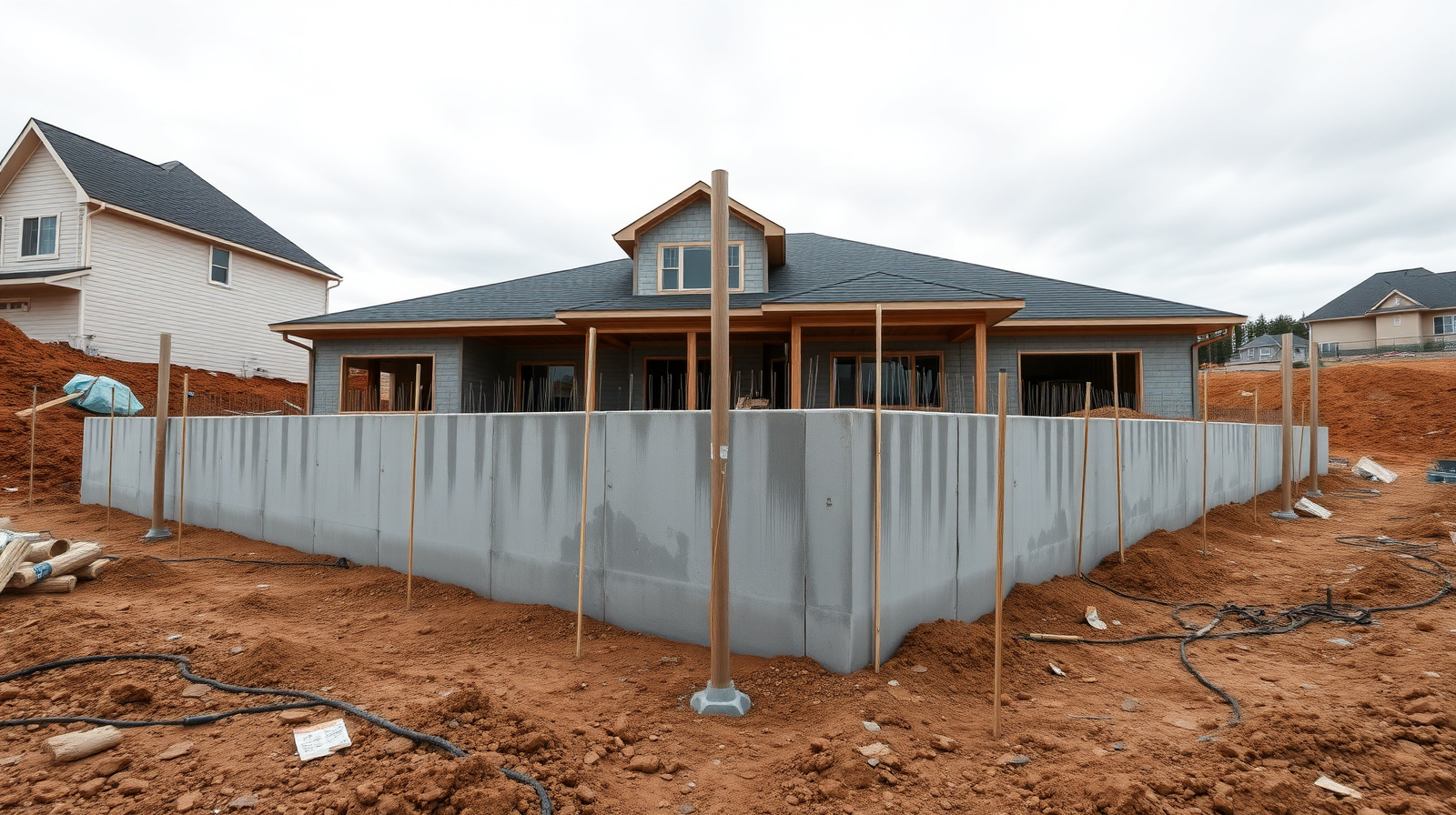
Unlike a purchase mortgage, where the full loan amount is disbursed at closing, a construction loan pays out in installments called draws. Your lender reviews your total project budget and builder's contract, then sets a schedule of milestones — commonly something like: site prep and foundation, framing, rough-in (plumbing, electrical, HVAC), drywall and insulation, and final finishes. Most construction loans use somewhere in the range of four to ten draws, though the exact number and structure depends on your lender, project size, and region.
Before each draw is released, a lender-appointed inspector typically visits the site to verify that the milestone has actually been completed to the standard set in your approved plans. Once verified, funds are released — usually paid directly to your builder or into a controlled disbursement account, not handed to you as cash.
Interest-Only Payments During the Build
During construction, most lenders bill you interest only, and only on the portion of the loan that has actually been drawn so far — not on the full amount you've been approved for. That means your payment early in the build (when only the foundation draw has gone out) is typically much smaller than your payment near the end (once most of the budget has been disbursed). This is different from a standard mortgage, where your payment includes principal and interest from day one and stays roughly level throughout the loan.
Construction-to-Permanent Conversion
What happens when the home is finished depends on your loan structure. A construction-to-permanent loan is designed to convert automatically: once the home passes final inspection and receives its certificate of occupancy, the loan shifts from interest-only draws into a standard amortizing mortgage — often without a second closing. A standalone construction loan works differently — it has to be paid off, usually by refinancing into a separate permanent mortgage that you apply for and close on after construction wraps up.
Typical Down Payment Expectations
Construction loans commonly require a larger down payment than a standard purchase mortgage. Down payments in the neighborhood of 20% of total project cost are frequently cited across lenders, though this varies by loan program, lender, credit profile, and whether you already own the land outright (land equity can sometimes count toward your down payment). Some government-backed construction loan programs may allow lower down payments for qualifying borrowers — ask any lender you're comparing exactly what their program requires.
Owner-Builder vs. Licensed-GC-Required Loans
Most construction loan programs require you to hire a licensed, bonded general contractor that the lender has approved (or is willing to vet) before they'll fund the project — the lender is relying on that GC's track record as part of their risk assessment. A smaller set of lenders offer owner-builder construction loans, where you act as your own general contractor. These are harder to qualify for: lenders typically want to see documented construction or project-management experience, a detailed budget and timeline, and sometimes a larger contingency reserve, since they're taking on more execution risk without a professional GC in the loop.
What Lenders Generally Look At When Qualifying You
Qualification factors for construction loans tend to be stricter than for a standard mortgage, since the lender is financing something that doesn't exist yet and carries more execution risk. Commonly considered factors include:
- Credit score: many lenders set a higher minimum than they would for a standard purchase mortgage; exact thresholds vary by lender and loan program.
- Down payment / equity: generally higher than a typical purchase loan, as discussed above.
- Debt-to-income ratio: lenders typically want your total monthly debts, including the projected mortgage payment, to stay under a set percentage of your gross income — thresholds vary by lender.
- Approved builder and complete plans: detailed architectural plans, a firm construction contract, and (for most programs) a licensed, lender-approved general contractor.
- Cash reserves: some lenders want to see reserve funds beyond the down payment, in case of construction delays or cost overruns.
Why Construction Loan Rates Tend to Run Higher
Construction loans generally carry higher interest rates than a comparable standard mortgage. The core reason is risk: the lender is financing a project that isn't built yet, with more variables (delays, cost overruns, builder issues) that could affect whether it's completed as planned. We don't publish specific rate figures here because they move with market conditions and vary meaningfully by lender, credit profile, and loan program — a licensed lender can give you an accurate, current quote based on your actual situation.
Recap
The Five Moving Parts
Draw Schedule
Funds release in stages tied to inspected milestones.
Approved Builder
Most programs require a licensed, lender-approved GC.
Interest-Only Build Phase
You pay interest on funds drawn, not the full loan.
Down Payment
Typically higher than a standard purchase mortgage.
Conversion or Refinance
One-close or two-close path to a permanent mortgage.
CustomHomeLoan.co is an independent informational resource and lead-connection service — not a lender, mortgage broker, bank, or credit union. We do not originate, underwrite, service, or fund loans. Loan terms, rates, down payment requirements, draw schedules, and qualification standards vary by lender, loan program, and borrower and are set solely by the lending institution you ultimately work with. Nothing on this site is a loan offer, a rate quote, a commitment to lend, or a guarantee of financing. Always confirm current terms, requirements, and availability directly with a licensed lender before making a financial decision.
Ready to See What Building Could Cost You?
Tell us a bit about your project and where you are in the process — we'll connect you with construction-loan financing options and information suited to your build. Free, no obligation.