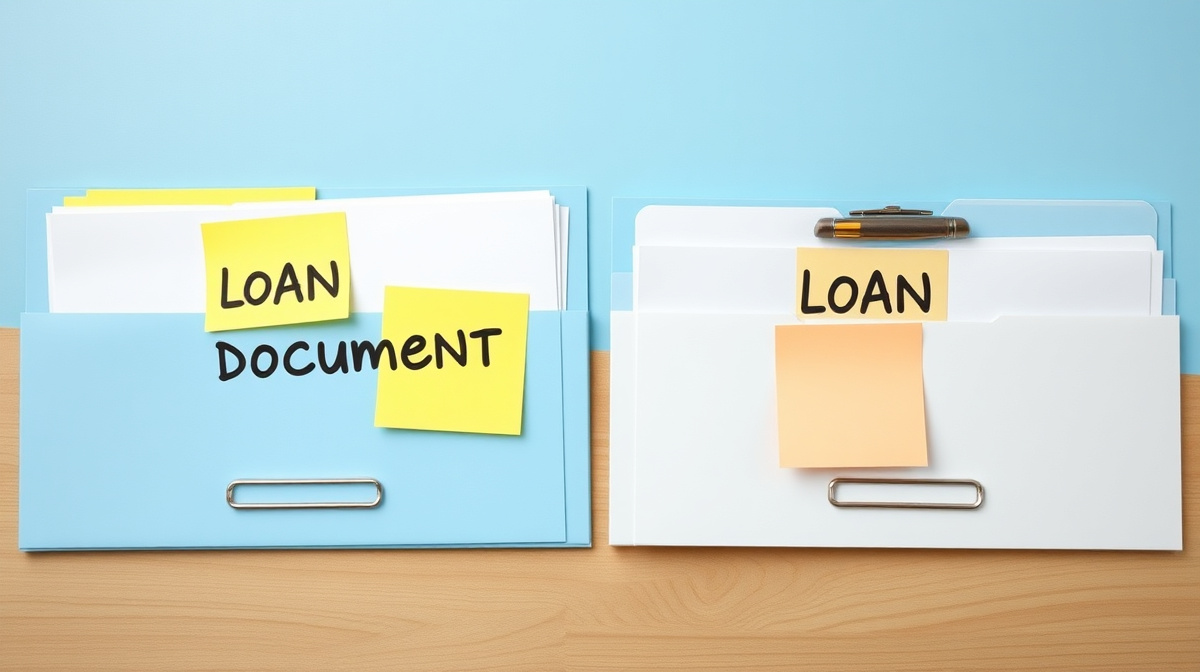
Construction Loan vs. Traditional Mortgage: What's the Difference?
If you've only ever bought an existing home, the idea of financing a home that doesn't exist yet can be disorienting. A standard mortgage and a construction loan solve two different problems, and understanding where they diverge will save you from a lot of confusion when you start talking to lenders.
The Core Difference: When and How You Get the Money
With a traditional mortgage, the math is simple: you're buying a finished, appraised asset. The lender hands over the full loan amount at closing, the seller gets paid, and you start making a level monthly payment of principal and interest from day one.
With a construction loan, there's no finished asset to lend against yet — just plans, a budget, and a builder's contract. So instead of one lump sum, the lender releases funds in stages called draws, tied to construction milestones (foundation, framing, rough-in, drywall, finishes are common checkpoints). A lender-appointed inspector typically confirms each milestone is actually complete before the next draw goes out.
How Your Payment Works Is Completely Different
This is the part that surprises people most. On a traditional mortgage, you pay principal and interest on the full loan balance from your very first payment.
On a construction loan, most lenders bill you interest only, and only on the portion of the loan that's actually been drawn so far. Early in the build — say, right after the foundation draw — your payment might be small. As more of the budget gets disbursed toward the end of the project, your interest-only payment grows along with it. Once the home is finished, the loan either converts into a standard amortizing mortgage or gets paid off by a new one you close on separately, and that's when principal-and-interest payments begin.
Qualification Is Generally Stricter
Because a lender is financing a project with more moving parts and more ways to go sideways — delays, cost overruns, a builder who doesn't finish — construction loans tend to come with tighter underwriting than a standard purchase mortgage:
- Credit score: many lenders set a higher bar for construction loans than for a standard purchase loan.
- Down payment: construction loans commonly require a bigger down payment than a typical mortgage — a figure around 20% of project cost is frequently cited, though this varies by lender and program.
- Builder approval: most programs require a licensed, bonded, lender-approved general contractor, not just any builder you've hired.
- Detailed plans and budget: lenders want a specific, itemized construction budget and completed architectural plans before they'll approve the loan — not a rough estimate.
Interest Rates: Generally Higher, Never Guaranteed
Construction loan rates typically run higher than comparable standard mortgage rates, reflecting the added risk of financing an unfinished project. We won't publish specific rate figures here — they move with the broader rate environment and vary by lender, credit profile, and loan program. A licensed lender can give you a real, current number based on your actual situation; anything else is a guess.
What Happens When the Home Is Done
This is where the two loan types can converge or stay separate, depending on which construction loan structure you chose:
- A construction-to-permanent loan is designed to automatically convert into a standard mortgage once the home passes final inspection — often without a second closing.
- A standalone (two-time-close) construction loan has to be paid off separately, usually by refinancing into a new permanent mortgage you apply for after the build wraps up.
Either way, once you're past the construction phase, you're in familiar mortgage territory — a level payment of principal and interest, amortizing over the loan term, just like the traditional mortgage you may already understand.
The Practical Takeaway
Think of a construction loan as a short-term, higher-scrutiny bridge to the mortgage you'll eventually have. It's structured around risk and milestones rather than a finished, appraised asset — which is exactly why the draw process, the interest-only payments, and the stricter qualification standards exist. Understanding that structure before you start shopping lenders puts you in a much stronger position to compare offers and ask the right questions.
A note on accuracy: rates, down payment minimums, and underwriting standards vary by lender and change with market conditions. Always confirm current terms directly with a licensed lender before making a financial decision.
More Guides
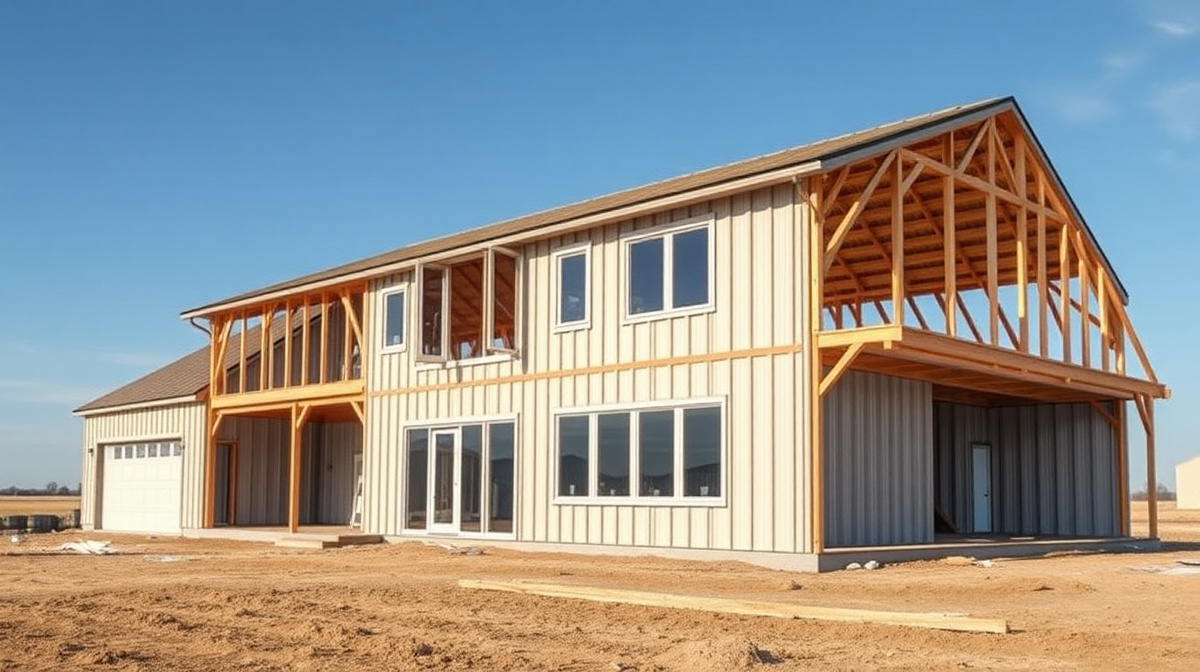
Building a Barndominium? How Construction Loans Work for Non-Traditional Custom Builds
What tends to differ when financing a barndominium or other non-traditional custom home with a construction loan, compared to a traditional stick-built build.
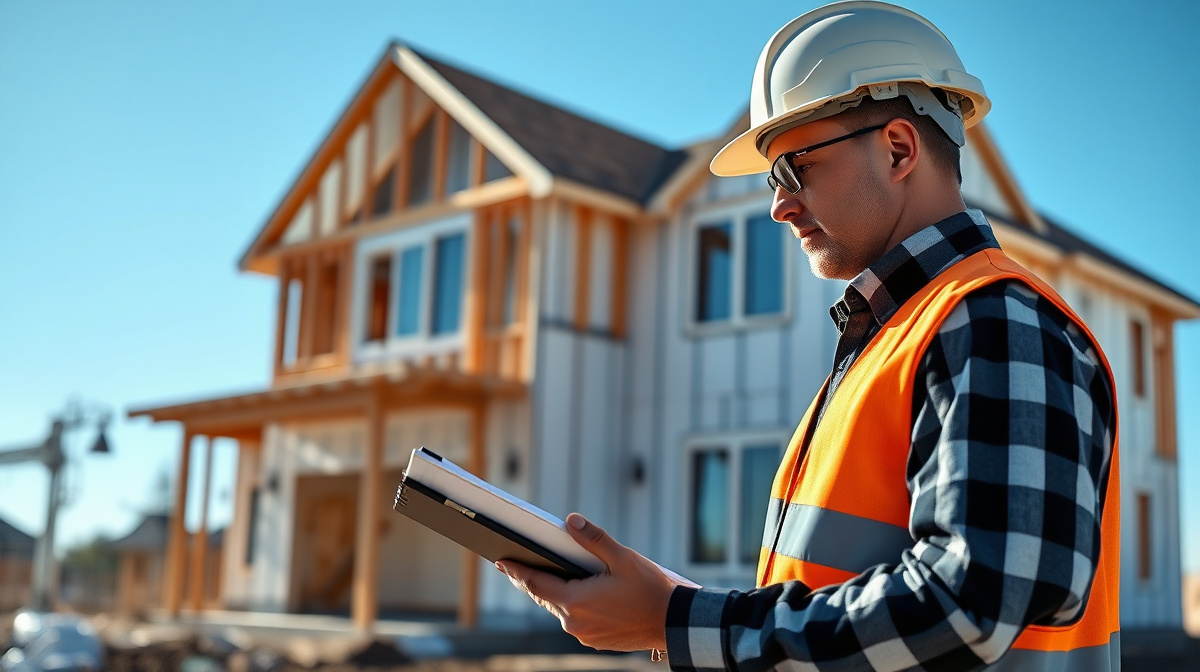
How Draw Schedules Work on a Custom Home Build
A closer look at construction loan draw schedules — how milestones are set, how inspections work, and what can delay a draw.
Ready to See What Building Could Cost You?
Tell us a bit about your project and where you are in the process — we'll connect you with construction-loan financing options and information suited to your build. Free, no obligation.