
How Draw Schedules Work on a Custom Home Build
If there's one piece of construction loan mechanics that trips up first-time custom home builders the most, it's the draw schedule. It controls when your builder actually gets paid — which means it controls the pace of your entire project.
What a Draw Schedule Actually Is
A draw schedule is the plan your lender uses to release construction loan funds in stages, rather than all at once. Instead of trusting a lump sum to a builder before a single wall goes up, the lender ties each payment — each draw — to a specific, verifiable stage of construction.
Most construction loans use somewhere between four and ten draws, though the exact number depends on your lender, your project's size and complexity, and regional norms. A simplified example of common milestones looks something like:
- Site prep and foundation — land cleared, footings and foundation poured
- Framing — structural framing, roof decking, and exterior sheathing complete
- Rough-in — plumbing, electrical, and HVAC systems roughed in before walls close up
- Drywall and insulation — walls closed, insulation and drywall installed
- Finishes and final — flooring, cabinetry, fixtures, paint, and final details complete
Your lender and builder's contract will set the actual milestones and dollar amounts for your specific project — this list is illustrative of common structure, not a universal standard.
Who Verifies the Work Before a Draw Is Released
Before releasing a draw, most lenders send an inspector to the job site to confirm the milestone is genuinely complete and matches your approved plans. This isn't optional paperwork — it's the mechanism that protects the lender (and you) from paying for work that hasn't actually happened.
Depending on your lender, this might be an in-house construction loan officer, a third-party inspection service, or in some cases a local building inspector's sign-off used alongside the lender's own review. Funds are then typically paid directly to your builder or into a controlled disbursement account — not handed to you as cash to pass along.
What Can Delay a Draw
A few things commonly slow down or hold up a draw release:
- Failed or incomplete inspection — if the inspector finds the milestone isn't actually finished or doesn't match approved plans, the draw is held until it's corrected and re-verified.
- Missing paperwork — lien waivers, updated budget documentation, or contractor invoices that the lender requires before releasing funds.
- Change orders — if the scope of work changes mid-build (a common and normal part of custom construction), the lender may need to review and approve the change before continuing draws.
- Budget concerns — if costs are tracking meaningfully over the original budget, some lenders pause additional draws until the shortfall is addressed.
Why This Matters for Your Timeline
Draw delays are one of the most common sources of construction timeline slippage — not because the construction work itself is slow, but because the paperwork and inspection cycle between "milestone finished" and "builder gets paid" takes time. Builders who are used to working with construction loans generally plan their cash flow and subcontractor scheduling around this reality; builders who aren't can end up in cash-flow binds waiting on a draw.
If you're interviewing builders for a custom home project financed with a construction loan, it's worth asking directly how much experience they have working within a draw-schedule structure — it's a meaningfully different rhythm than a renovation project paid out of pocket or from a home equity line.
The Practical Takeaway
The draw schedule is the backbone of how a construction loan actually functions day to day. Understanding it — how milestones are set, who verifies them, and what can hold things up — helps you have a much more informed conversation with both your lender and your builder before you break ground.
A note on accuracy: draw counts, milestone definitions, and inspection processes vary by lender and by project. Always confirm the specifics of your draw schedule directly with your lender before relying on any general description, including this one.
More Guides
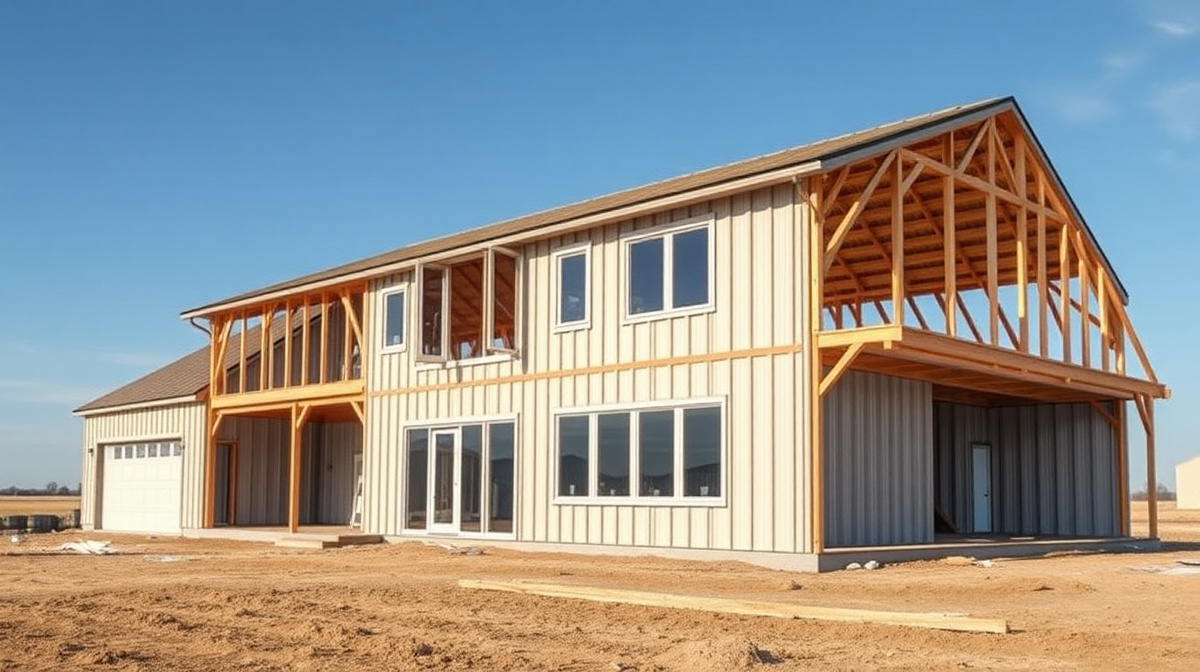
Building a Barndominium? How Construction Loans Work for Non-Traditional Custom Builds
What tends to differ when financing a barndominium or other non-traditional custom home with a construction loan, compared to a traditional stick-built build.

Construction Loan vs. Traditional Mortgage: What's the Difference?
How a custom home construction loan differs from a standard purchase mortgage — funding structure, payments, qualification, and what happens at completion.
Ready to See What Building Could Cost You?
Tell us a bit about your project and where you are in the process — we'll connect you with construction-loan financing options and information suited to your build. Free, no obligation.